Spirituality at St Paul’s CE Primary School
What Is Spirituality?
The meaning of spiritualty varies from one person to another and often changes within people during their lifetime. Spirituality is not the same as having a religion or faith because a person can be spiritual without having a particular faith.
As a school, we have defined spirituality as experiencing a moment of reflection, a ‘wow’ moment that you remember for a long time and time when you feel truly alive: ‘The glory of God is a human being fully alive’ (St Irenaeus).
Spirituality is a feeling within ourselves. It is about those magical moments that makes your skin tingle and hair stand up on end. Spirituality is a warmth that fills your soul and makes you think about the bigger picture.
The language we use to define spirituality is not child-friendly, so when talking to children about it we will refer to:
- A sense of awe and wonder
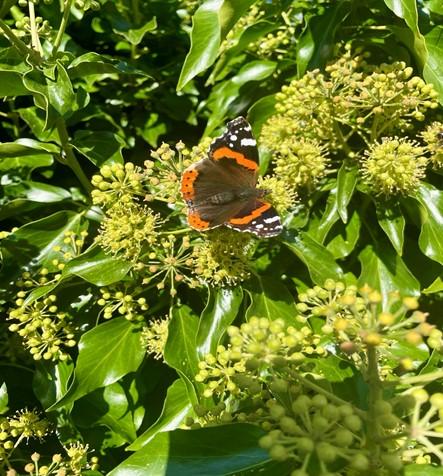
- Finding beauty in the world around us
- A moment when you stop and appreciate life in its fullness
- Appreciating what you have and where you are
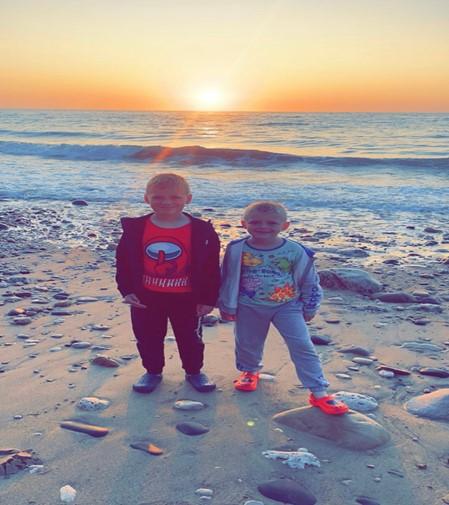
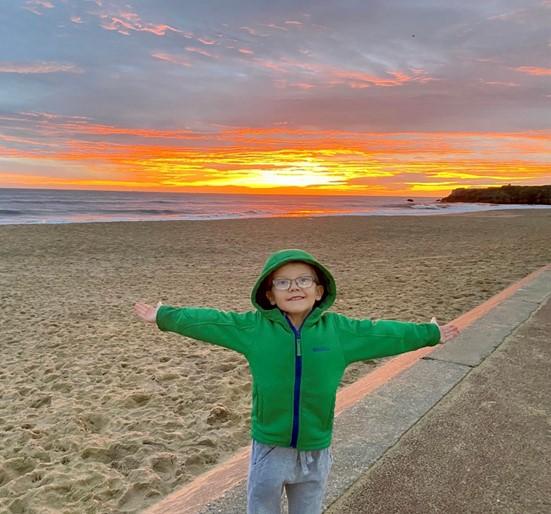
It can be a sensory experience, examples include: A sun set
A sunrise
Wind in your hair
Listening to a piece of music
A song that resonates with you
Awe and Wonder
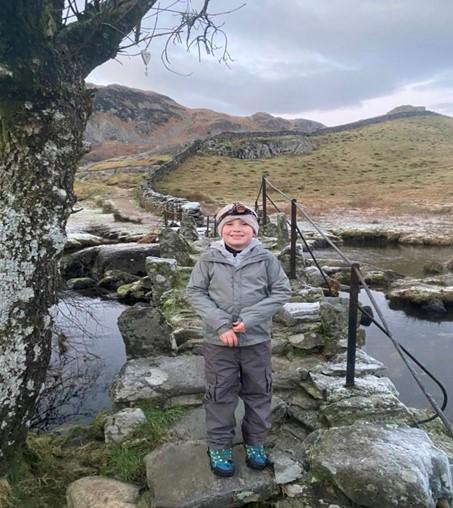
Our Awe and Wonder display celebrates examples of wow moments. These images have been selected by children, sent in by parents and by staff. We display them in our main hall to remind us of the beauty of life.
How is Spirituality Nurtured?
Children’s spiritual development is fostered through all aspects of being a part of the St. Paul’s family. It is about the relationships we nurture and develop and our understanding and implementation of our Christian values. It is also the development of knowledge, concepts, skills and attitudes in order to enrich our daily lives. We strive to give our children the opportunity to:
- Express personal beliefs and compare views with others, sharing feelings and opinions through discussions and stories.
- Begin to develop their own system of beliefs which may or may not include religious beliefs.
- Experience a love of learning through rewarding their enthusiasm and by encouraging exploratory play and learning.
- Reflect upon the world around them and show a sense of awe and wonder towards aspects of the natural world or human achievement.
- Reflect on the situations of others through role play, stories.
- Experience a range of stories, music, art, drama and dance
What is the Role of the School Community?
All members of the school community have a responsibility for helping to nurture children’s spiritual development.
School staff can do this through:
- Establishing and maintaining a partnership between pupils, parents and staff; recognising and respecting the faith background of the children and their families
- Taking part in, and supporting, collective acts of worship
- Being good role models in their conduct towards other members of the community
- Promoting an attitude of respect for other people and for others’ views
- Nurturing consideration for and generosity towards others
- Drawing on the experiences of pupils and their families during religious education lessons and beyond
- Recognising and being constantly aware of the needs and backgrounds of each individual pupil
- Being willing to develop their own knowledge and understanding of the Christian faith and the faiths of others
- Having a positive attitude to the value of spiritual education
Pupils can do this through:
- Taking an active part in acts of collective worship
- Participating in activities which promote the skills allowing them to engage in examination of and reflection upon religious belief and practice
- Conducting themselves towards others considerately, in line with the code of conduct
- Respecting the views and beliefs of others
Parents can help through:
- Adopting a positive attitude to the value of spiritual education
- Supporting the school’s Christian ethos and acts of community worship such as collective worship in school and church services in our local community
- Respecting the views and beliefs of others
- Encouraging reflection in daily life